Clean Water Access
Innovative purification technologies and infrastructure development ensuring safe drinking water reaches the last mile.
Menstrual Health
Breaking stigma through education and empowering women with skills to produce reusable sanitary products.
Nature Protection
Strategic conservation of springs, rivers, and watersheds to safeguard water sources for future generations.
Access to Clean Drinking Water
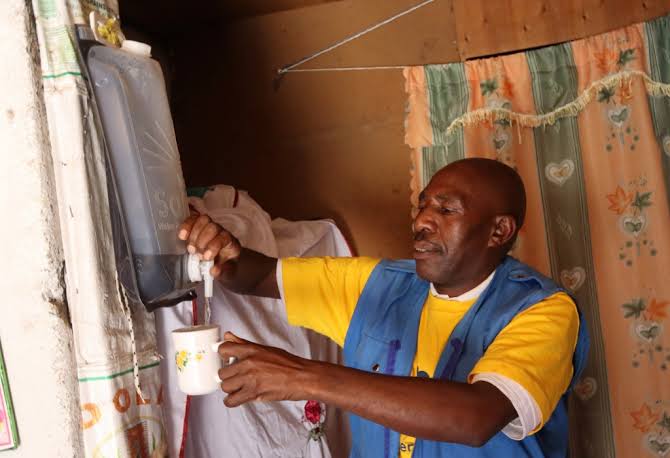
We provide communities with sustainable access to safe drinking water through innovative solar-powered purification technologies, rapid water quality testing and community-based implementation. Our approach improves health, reduces waterborne diseases and empowers families with affordable clean water solutions.
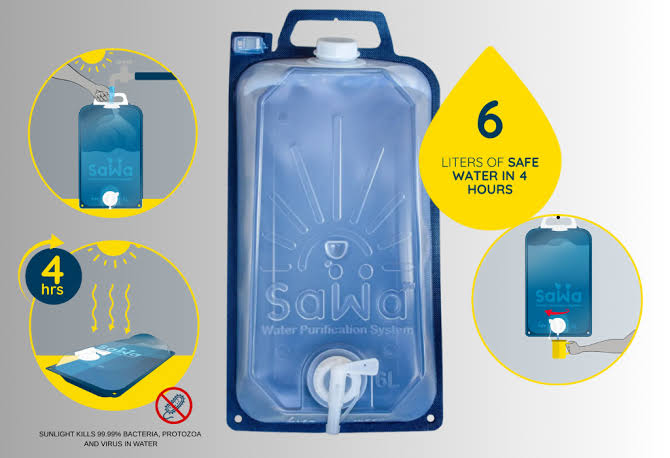
SaWa Bag Technology
Solar UV purification technology capable of producing safe drinking water without electricity.
Water Quality Testing
Detect contamination quickly and ensure every household receives safe drinking water.
300K+
People Reached2,000L
Water Purified4 Hrs
Purification Time500
Uses
Menstrual Hygiene Programs
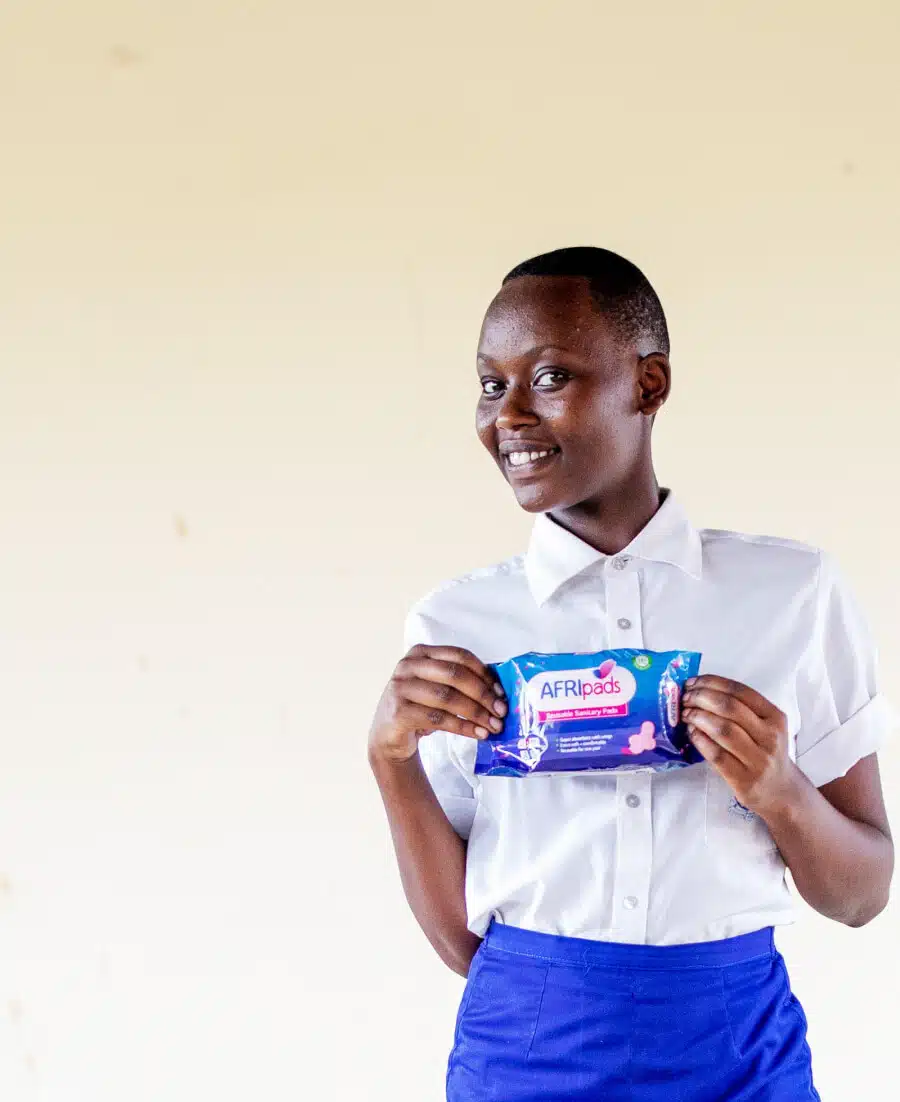
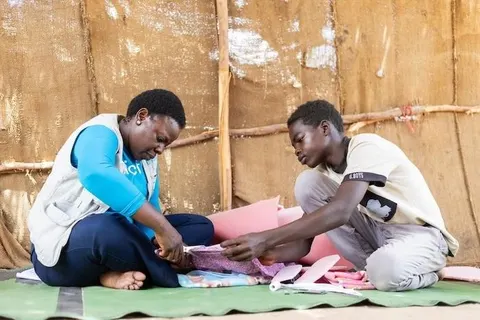
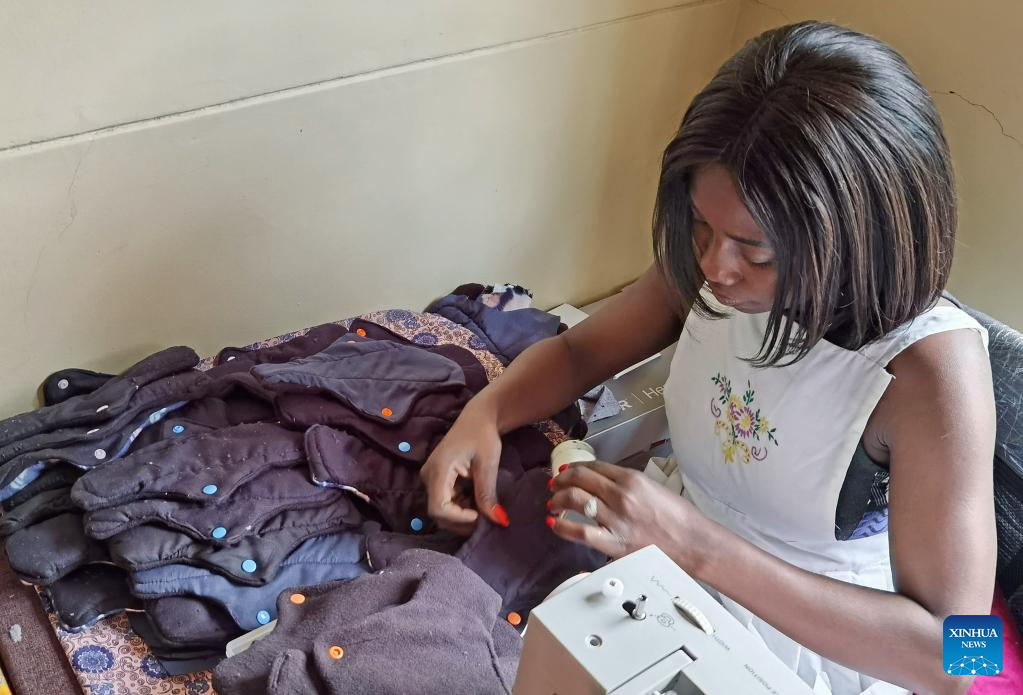
Dismantling period stigma through comprehensive education and sustainable local production. We engage both girls and boys to foster supportive school environments.
School-Based Education
Age-appropriate awareness programs for girls and boys, normalizing menstruation and building empathy.
Local Production Capacity
Training women in sewing and distributing reusable sanitary pads, creating economic opportunities alongside health outcomes.
Community Distribution Networks
Establishing supply chains managed by local women cooperatives to ensure sustained pad accessibility.
Extended Water Services & Infrastructure
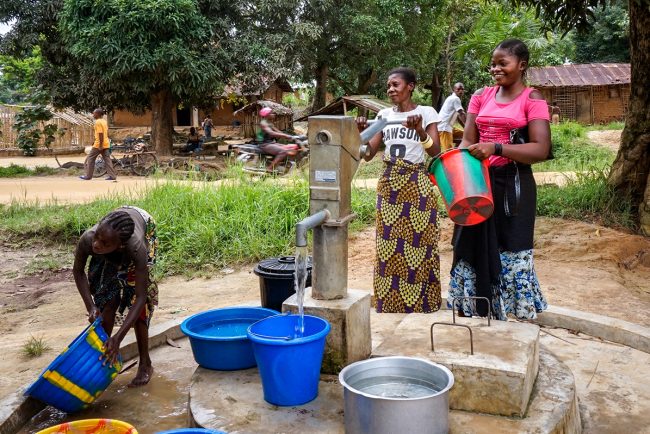
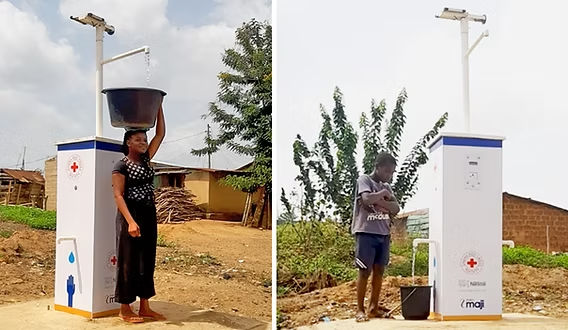
Using geospatial data and community mapping to strategically expand water access. We drill boreholes, rehabilitate existing systems, and install storage solutions where they are needed most.
Borehole Drilling
Data-driven site selection ensures sustainable yields and equitable community access.
Storage & Distribution
Elevated tanks and solar-powered distribution networks for reliable pressure and coverage.

Protection of Natural Water Bodies
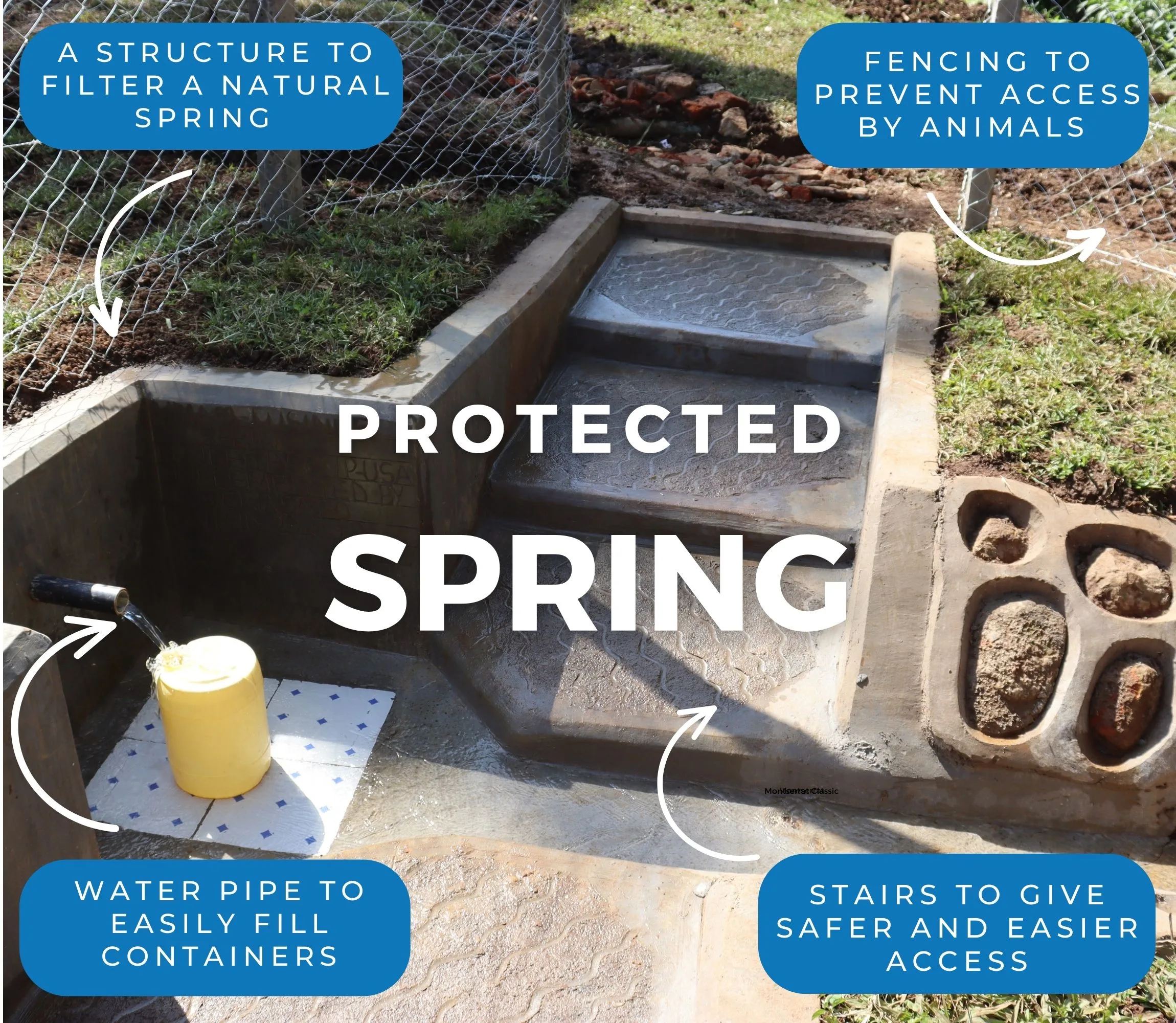
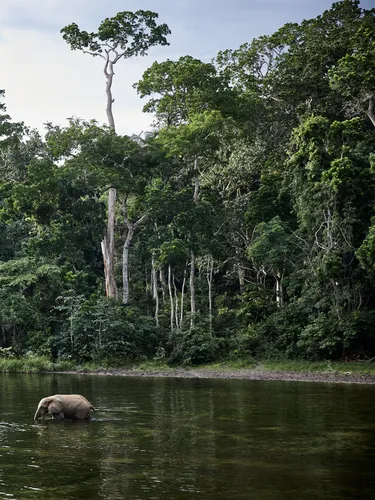
We safeguard the sources of life itself—springs, rivers, and mountain watersheds—through community-led conservation strategies that prevent degradation and ensure ecological balance.
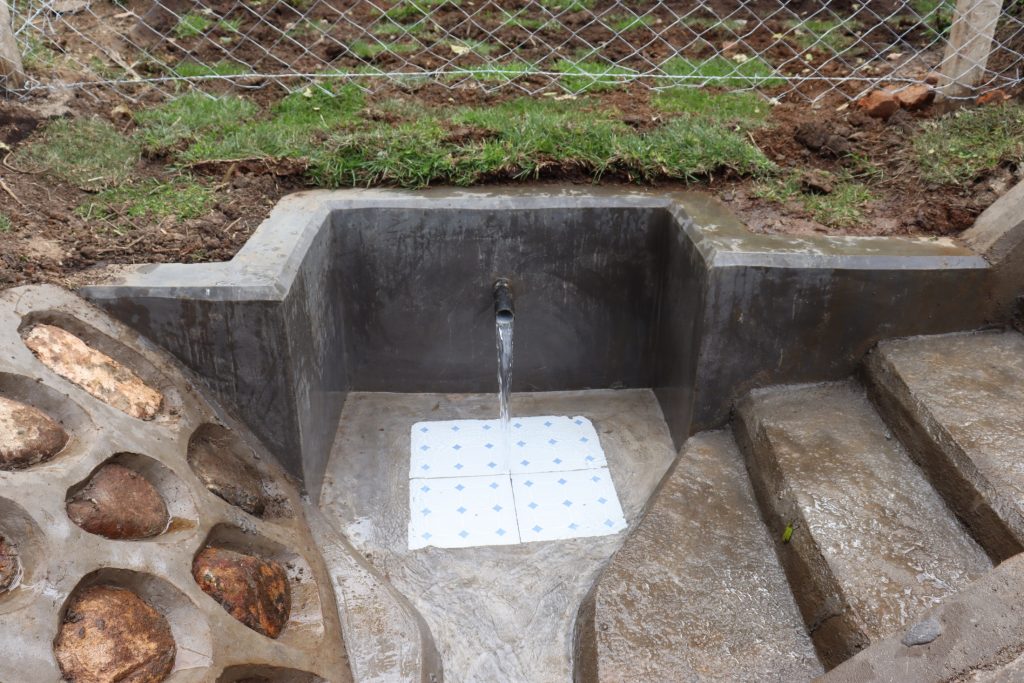
Spring Protection Structures
Concrete encasement, fencing, and drainage to prevent contamination and animal intrusion.
Riparian Buffer Zones
Reforestation and land-use agreements to protect riverbanks from erosion and agricultural runoff.
Watershed Management Committees
Local governance structures empowered to enforce bylaws and manage conservation activities.
Improved Hygienic Interventions
From school latrines to community handwashing campaigns, we build the physical infrastructure and behavioral foundations for lasting hygiene change.
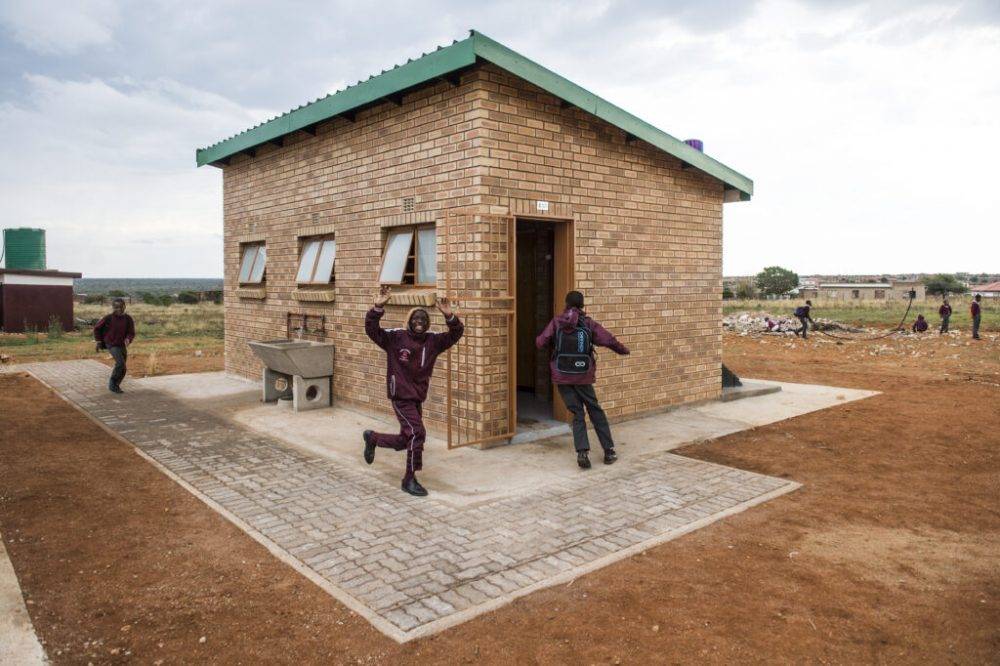
School Sanitation Facilities
Gender-segregated, disability-accessible latrines with menstrual hygiene management units.
Community Hygiene Awareness
Behavior change communication campaigns on handwashing, food hygiene, and safe water storage.
Pad Accessibility Programs
Emergency pad supplies and private changing facilities in all partner schools.
Measurable Change
Every intervention is tracked to ensure accountability and continuous improvement.
Strategic Alignment
Our WASH program directly contributes to Tanzania's National Sanitation Campaign and aligns with the UN Sustainable Development Goals, ensuring every investment generates national and global value.
SDG 3 - Good Health & Well-being
Strengthening primary healthcare systems, digital health solutions, diseases prevention, maternal and child health service, and community health worker programs.
SDG 4 - Quality Education
Expanding access to inclusive education through teacher training, digital learning platforms, STEM education, and vocational skills development.
Clean Water & Sanitation
Improving access to safe water, sanitation infrastructure, hygiene education, and environmentally sustainable water solutions.
SDG 5 - Gender Equality
Promoting gender equality through youth empowerment, women's participation, menstrual hygiene management, and inclusive community development programs.
SDG 8 - Decent Work & Economic Growth
Supporting livelihood through entrepreneurship, mushroom farming, vocational training, and economic empowerment initiatives.
SDG 13 - Climate Action
Advancing climate change mitigation, environmental conservation, watershed protection, and sustainable resource management.
Project Information
- Category WASH (Water, Sanitation & Hygiene)
- Implementing Partner Melian Foundation
- Focus Areas Water access, sanitation infrastructure, hygiene education, community capacity building
- Geographic Scope Tanzania — Rural and peri-urban communities